
2026-09-16 ·
Best Practices for Porta Potty Use at McCall Construction Projects
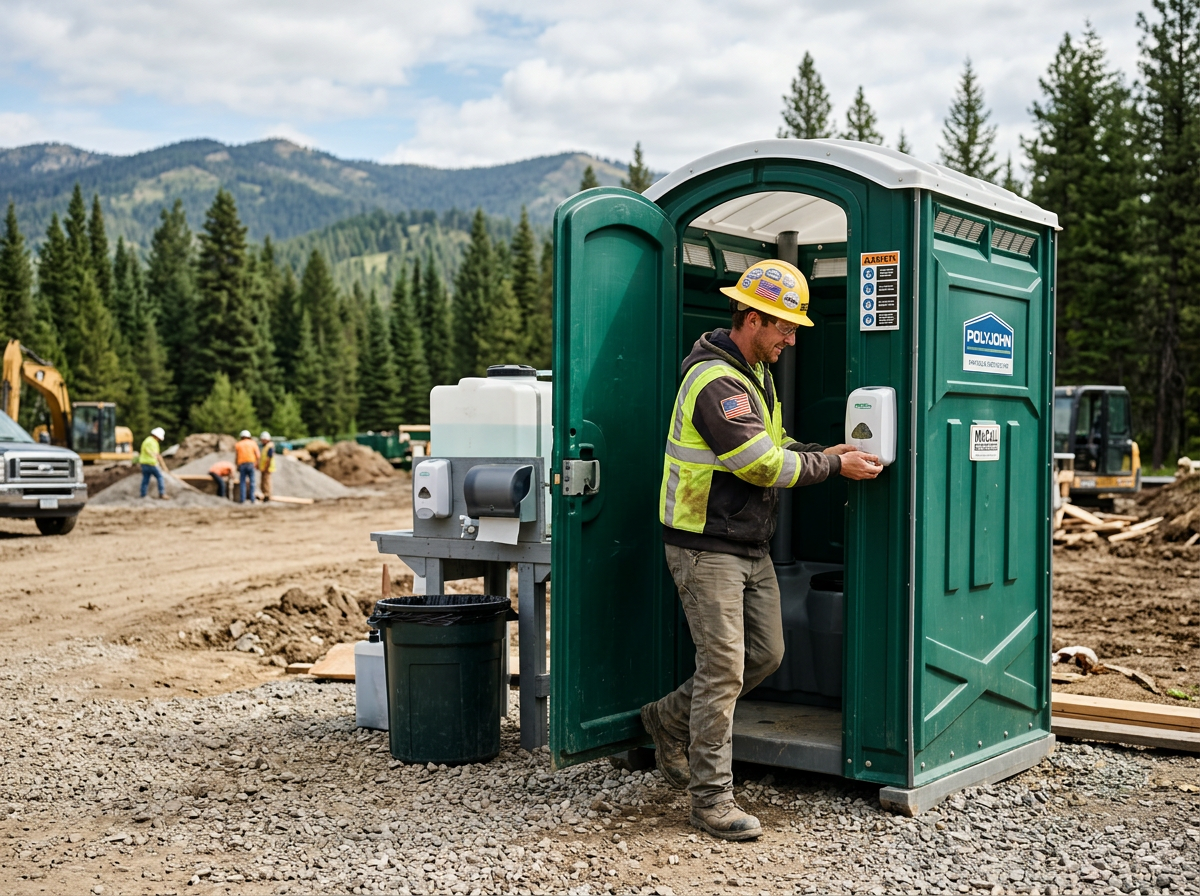
On McCall construction sites, porta potty units perform best when crews schedule service every 3–5 days during peak summer activity and every 7–10 days in shoulder seasons, while adding extra units for crews over 20 people to avoid overflow during short intense work windows.
Site Preparation and Placement
Level ground is essential for stable setup, especially on lots near Brundage Mountain where slopes can shift units during freeze-thaw cycles. Place units at least 50 feet from active excavation and downwind from break areas to reduce odor complaints. Crews should clear a 10-by-10-foot pad of debris and snow before delivery so doors open fully and units remain accessible to service trucks. When sites sit on uneven terrain, coordinate with providers early so they can recommend anchoring methods that comply with local expectations. Review Local Rules for Porta Potty Placement at McCall Construction Sites before finalizing locations to prevent rework. Handwash stations should sit within 20 feet of each unit to encourage use and maintain basic hygiene standards on dusty job sites.
Winter Service Adjustments
Freezing temperatures in McCall require antifreeze additives in the waste tank and heated service hoses to prevent line clogs during pump-outs. Snow accumulation on access roads often forces crews to mark clear paths with stakes so trucks can reach units without getting stuck. During heavy snow periods, increase checks to every 4 days because waste volume stays the same while cold reduces evaporation. Units left unserviced can freeze solid, requiring thawing equipment that delays projects. Coordinate with the provider based at 460 Krahn Ln for weather-related route adjustments that keep roads passable. Crews working through December should request units with thicker insulation around the tank to slow freezing. These steps keep facilities usable when temperatures drop below 20 degrees for multiple days in a row.
Determining Service Frequency and Capacity
A standard 40-gallon freshwater tank supports roughly 10 workers for a full week before refill is needed on typical McCall job sites. Larger crews of 30 or more benefit from two units rather than one oversized tank to spread usage and reduce wait times. Track daily headcount and adjust service calls when overtime shifts increase volume. Construction near the Payette River often sees higher usage from dust and hydration needs, so crews should log tank levels after each shift. Providers track these patterns and can suggest frequency changes without over-servicing. Regular service prevents odor buildup that becomes noticeable in the confined spaces of mountain job sites.
Accessibility and Hygiene Standards
ADA accessible units should be included on any site with workers who require them, positioned on the same level path as the main units. Pair each standard unit with a handwash station that holds at least 5 gallons of water and includes soap and paper towels. This combination meets general site expectations for worker comfort during long shifts. Check units daily for paper stock, hand sanitizer, and door function so minor issues do not escalate. When crews move to new phases of the project, relocate units before trenches or stockpiles block access routes. These habits reduce downtime and keep the focus on construction progress rather than facility complaints.