
2026-09-16 ·
How Cold Weather Affects Porta Potty Use Around Payette Lake
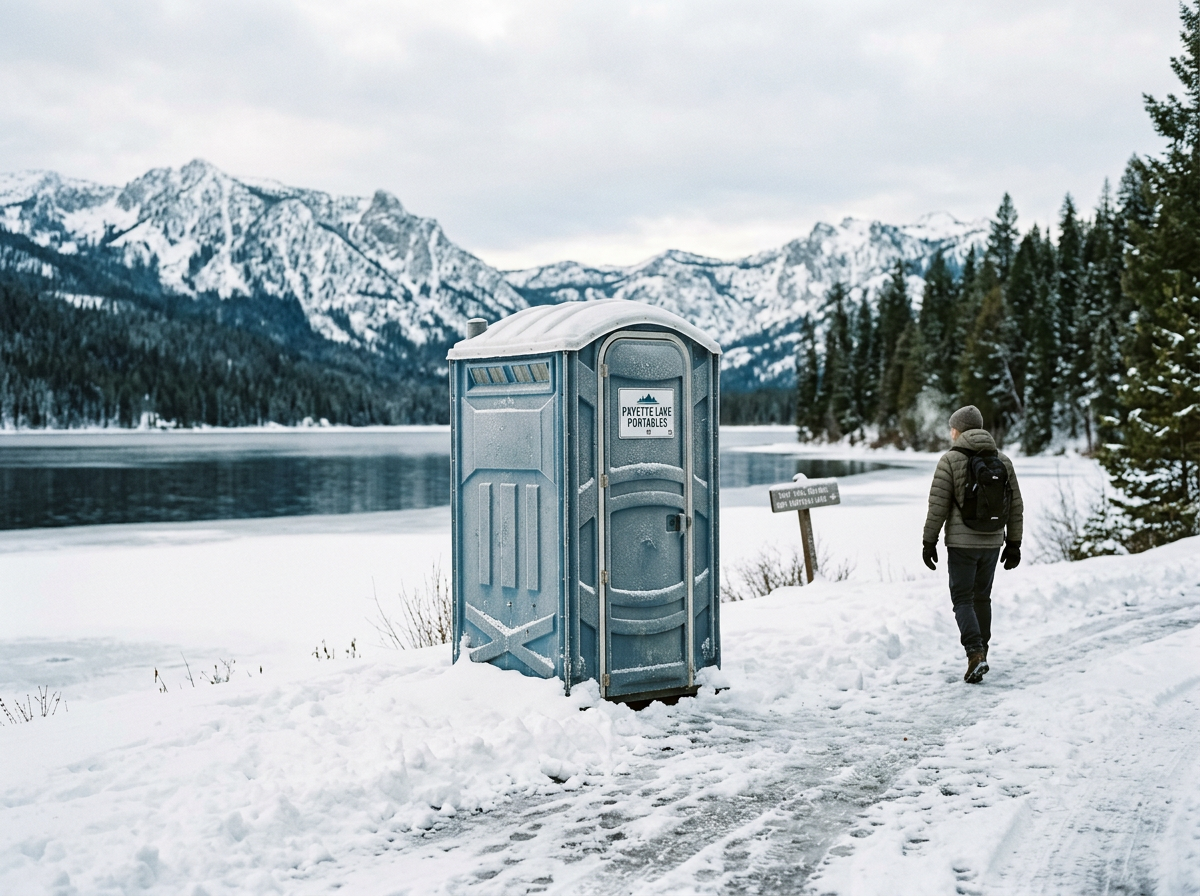
Around Payette Lake, temperatures that drop below freezing cause waste inside porta potties to solidify, which blocks normal pumping and increases the chance of odors or overflows until units thaw. This effect starts as soon as overnight lows reach 32 degrees and becomes consistent once sustained cold sets in for days or weeks. Service crews must then break up frozen material or wait for warmer periods, and units placed on uneven snow can tilt and spill when doors open. Readers planning winter events or construction near the lake need to account for these physical changes rather than standard warm-weather routines.
Waste Freezing and Odor Control
Once waste freezes it stops breaking down through normal bacterial action, so odors can intensify when the material later thaws during daytime sun or indoor storage. Crews working harvest or construction shifts on the surrounding roads notice stronger smells on the first warm day after a cold snap because the sealed tank releases concentrated gases. Handwash stations placed beside units also freeze, leaving no running water for users until lines are cleared or units are swapped. Operators check tank levels more often in these conditions to prevent overfill before the next freeze cycle begins. Placement on level ground away from direct wind helps keep interior temperatures slightly higher and slows the freezing process inside the tank.
Snow and Road Access Limitations
Plowed roads around Payette Lake often narrow to single lanes, and service vehicles need extra clearance to reach units without getting stuck in drifts. Remote sites near the lake can see service delayed by several days when fresh snow falls faster than crews can clear secondary roads. Weekly visits described in What to Expect from Weekly Service Visits in Remote McCall Locations become the baseline schedule, yet actual timing shifts with weather reports rather than fixed calendars. Units located on private drives require the site host to maintain a cleared path at least as wide as the service truck. Without that access, portable toilets remain in place longer than planned and require extra monitoring for overflow.
Placement and Stability Adjustments
Units must sit on compacted snow or gravel pads instead of soft ground so doors swing freely and the structure does not list when users enter. Wind off the lake can push lightweight units sideways, so staking or blocking becomes necessary even when the ground feels solid. Luxury restroom trailer rental units need the same level surface plus access to power and water hookups that remain unfrozen, limiting viable spots compared with standard models. Portable toilet rental units placed near construction rings in the McCall area follow the same rules, with crews verifying clearance before winter sets in. Checking these details early prevents mid-season repositioning when snow depth increases.
Service Frequency Changes
Standard rotation schedules stretch when roads close or material freezes, so hosts monitor fill levels themselves between visits and request extra stops only when tanks near capacity. The McCall area sees the most pronounced delays on routes that cross elevation changes around the lake, where shade keeps snow deeper longer. Operators note that units serving smaller crews can remain in place longer than those at larger gatherings because daily use volume directly affects how quickly waste accumulates before freezing. Keeping a clear service log helps both parties adjust expectations without last-minute changes.